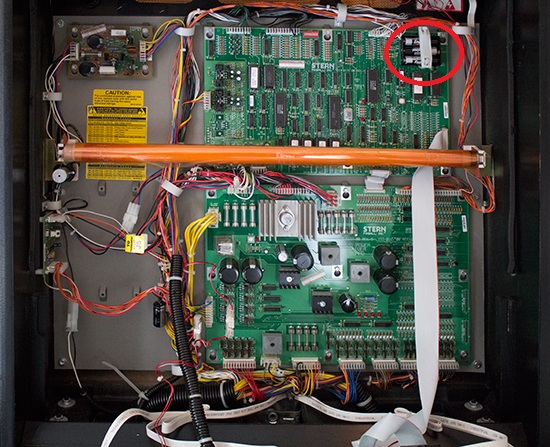
So why am I mentioning Batteries? It’s a Pinball machine it just plugs into the wall it doesn’t run on Batteries. Correct modern games do plug into the wall, and that’s what controls all of the solenoids, flashing lights, and what you see on the displays.
Pinball machines have batteries for one primary reason: to preserve data when the machine is turned off.
Unlike modern electronics that use flash memory, classic solid-state pinball machines (built from the late 1970s through the 2000s) rely on a specific type of memory component called RAM (Random Access Memory) to store settings. This type of memory requires a constant, uninterrupted stream of low-voltage electrical power.
When you flip the power switch off, the machine loses its main power supply. The batteries instantly kick in to keep that memory chip alive.
Here is exactly what those batteries are keeping alive while the machine rests in the dark:
1. High Scores and Initials
The most iconic feature of pinball is competing for the top spot. Without batteries, the RAM clears out every time the machine is unplugged, wiping away local high scores and grand champion initials.
2. Earnings and Bookkeeping Audits
For arcade operators, pinball machines are businesses. The internal computer keeps meticulous logs of total plays, coin drops, average game times, and ticket payouts. Batteries ensure operators don’t lose their financial tracking data when moving or servicing machines.
3. Custom Operator Settings
Every machine has a deep settings menu. Owners can customize the game difficulty, the number of balls per game (usually 3 or 5), the volume level, free-play mode, and match-award percentages. Batteries save these custom preferences.
4. Software Diagnostics and Custom Adjustments
Modern games adapt to the environment. If a specific switch or motor fails during play, the game logs an error report so a technician can fix it. Batteries keep these active error codes saved in the diagnostic memory.
The Dark Side of Pinball Batteries
While batteries are essential for vintage games, they are also a pinball machine’s worst enemy.
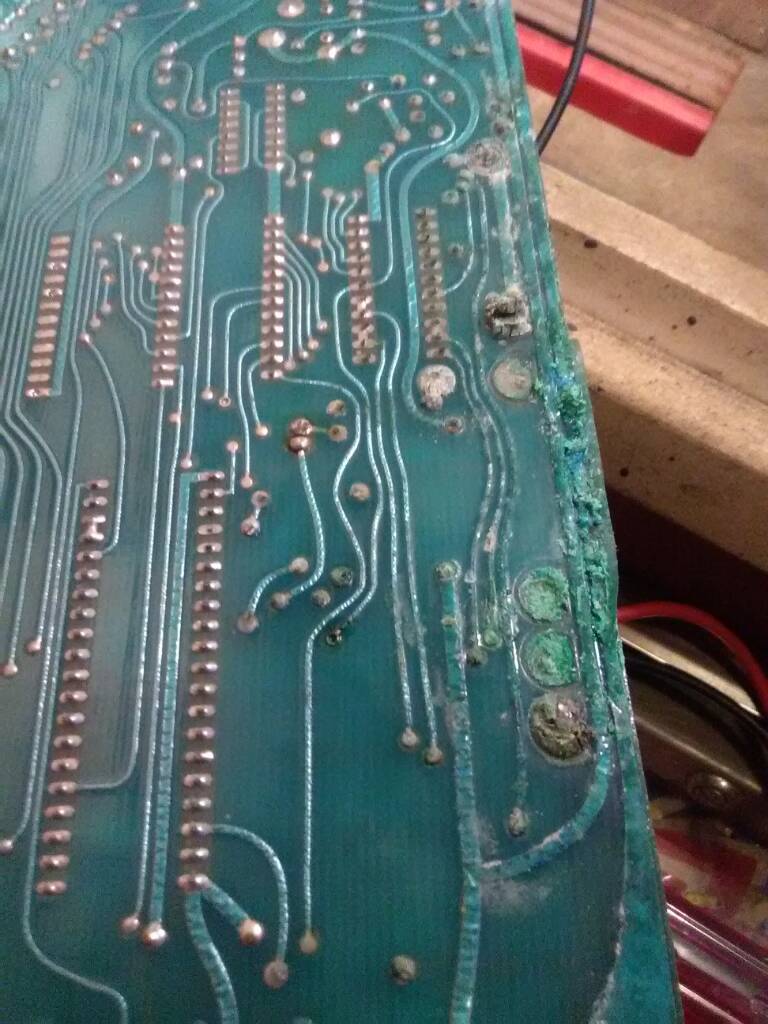
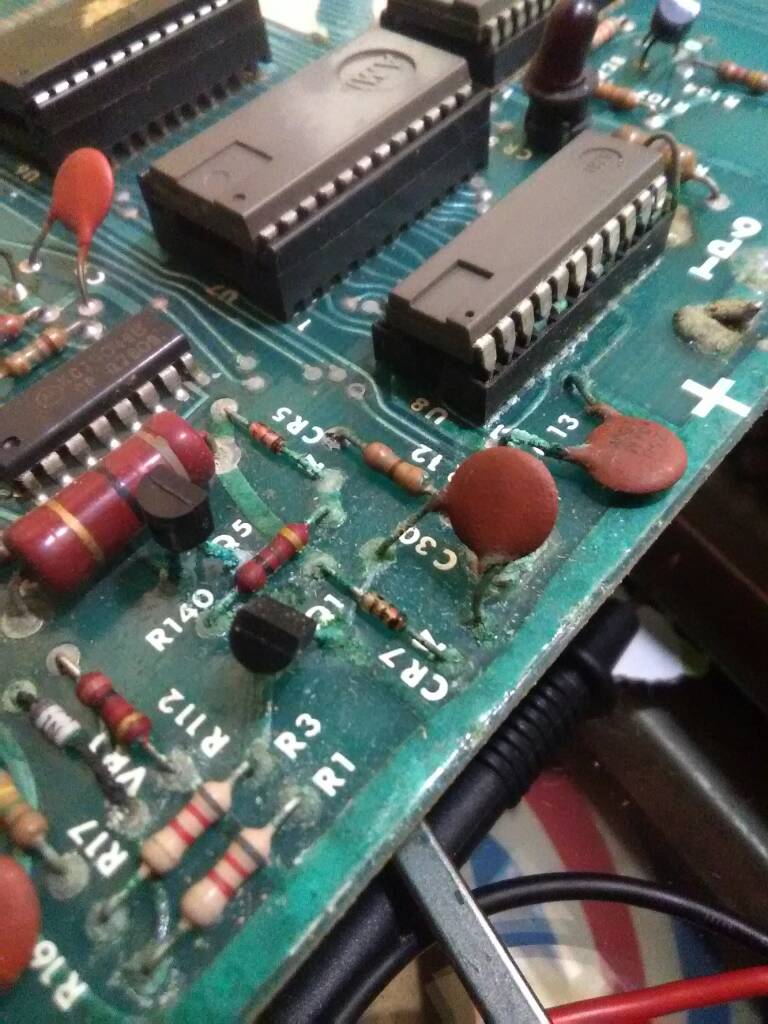
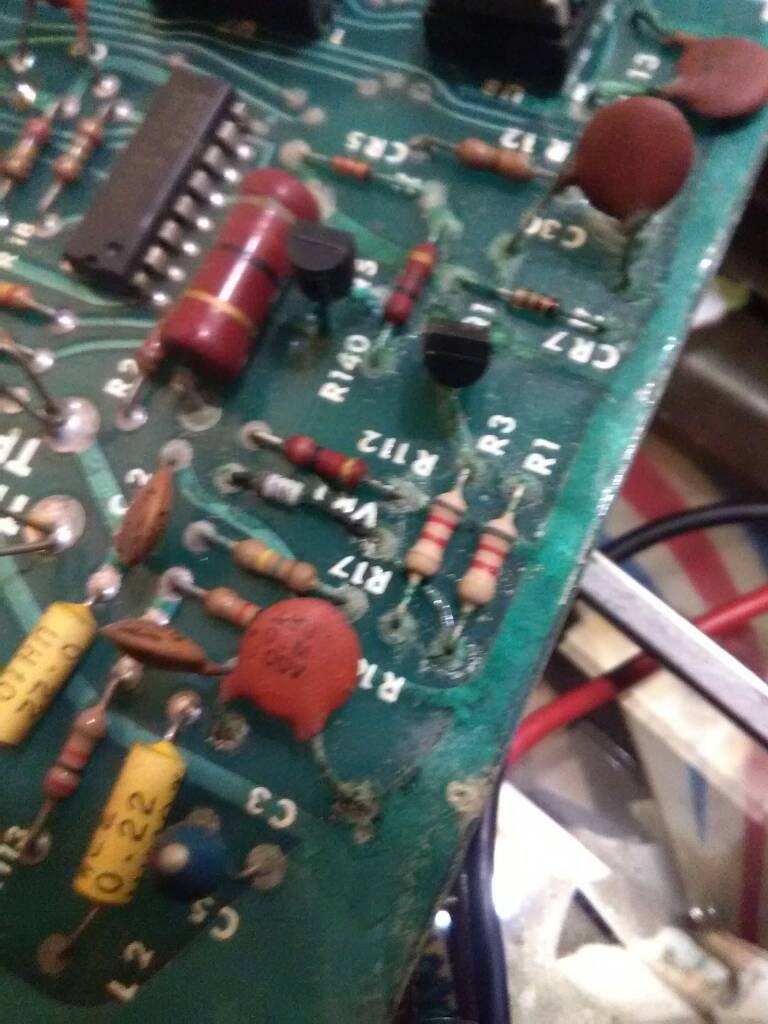
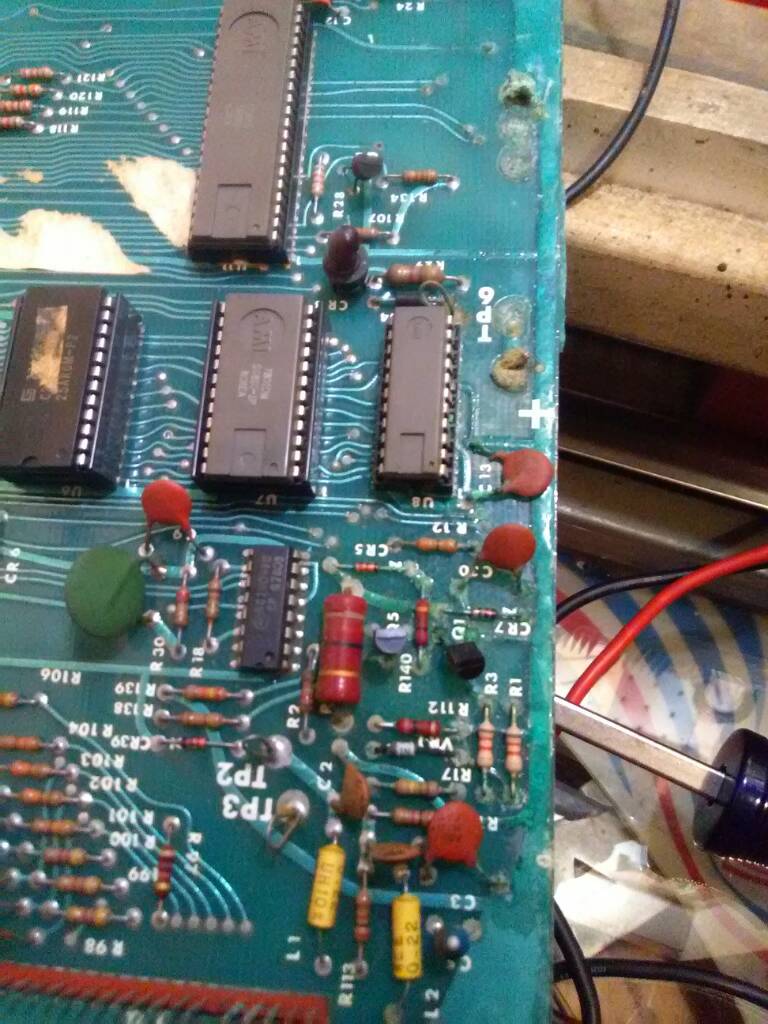
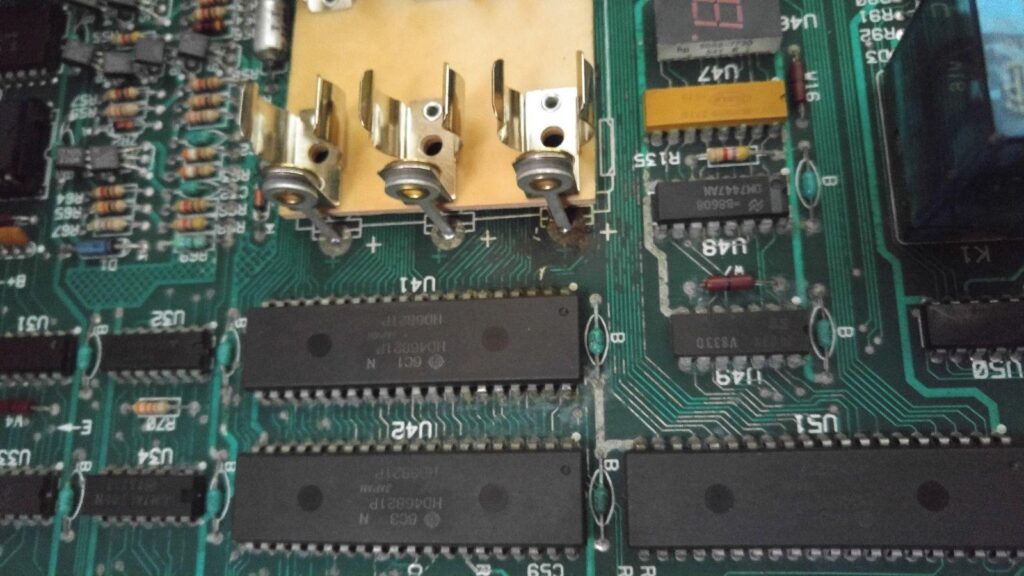
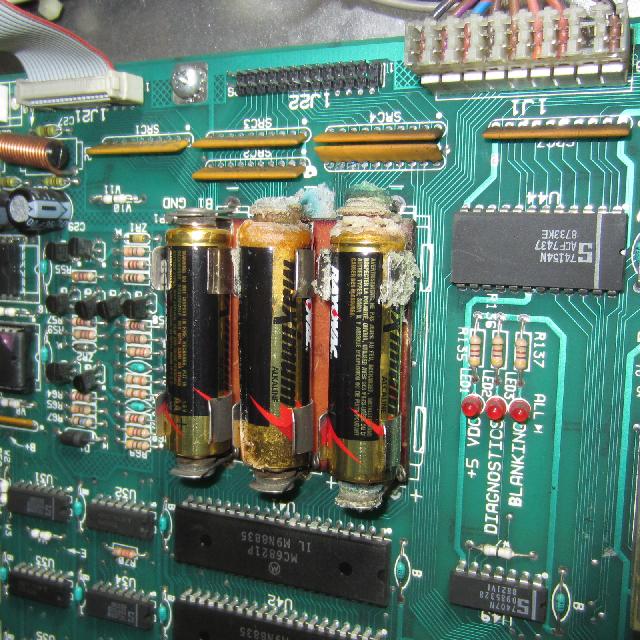
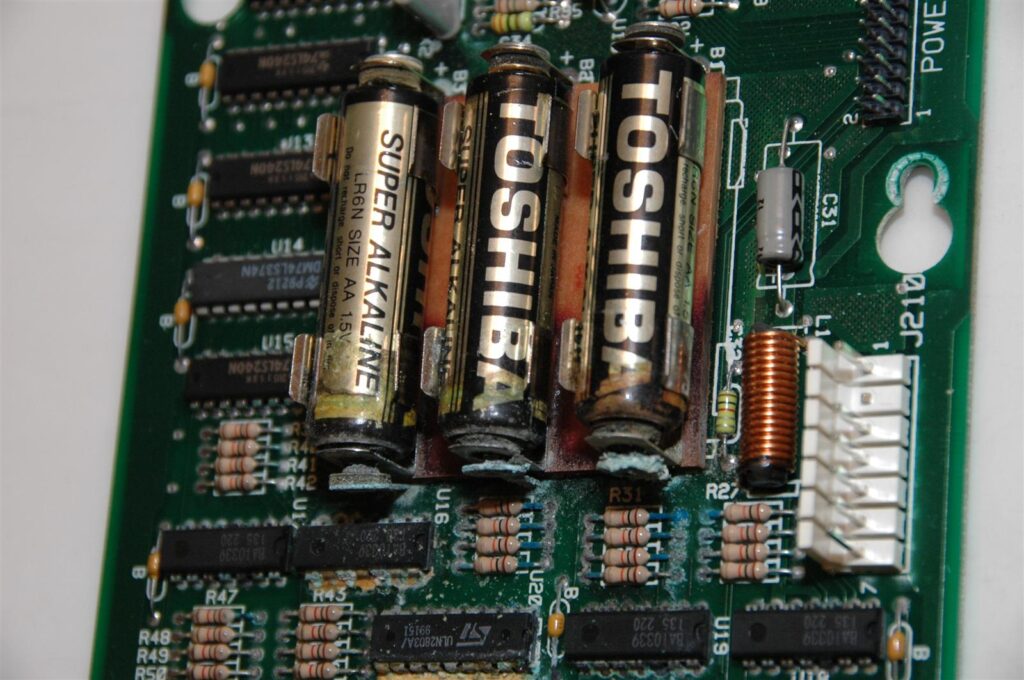
Standard AA batteries left inside a machine for too long will eventually leak highly corrosive alkaline (a strong base). Commonly refered to Battery ACID. Because manufacturers traditionally mounted the battery holder directly onto the expensive main CPU board, a single leaking battery can destroy the delicate copper circuit traces, leading to hundreds of dollars in damage.
Because of this, pinball hobbyists frequently use these workarounds:
- Remote Battery Packs: Moving the battery holder away from the board using long wires.
- NVRAM Upgrades: Replacing the old RAM chip with modern non-volatile memory that does not require a battery at all.
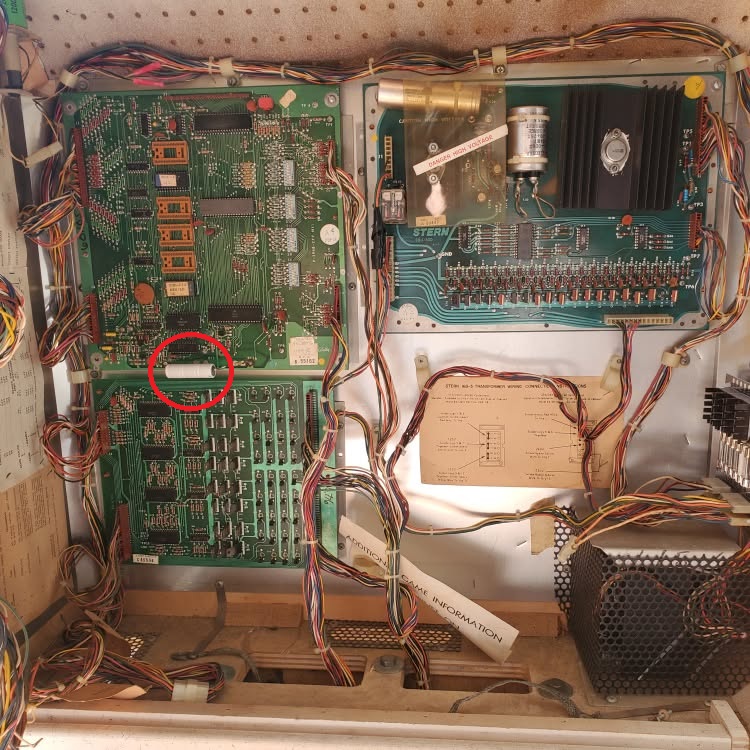
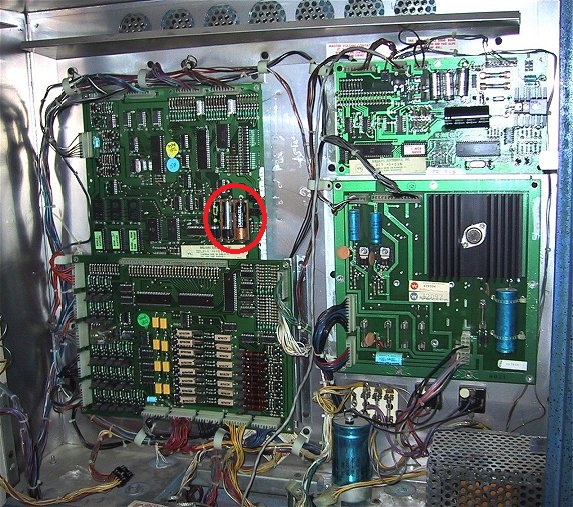
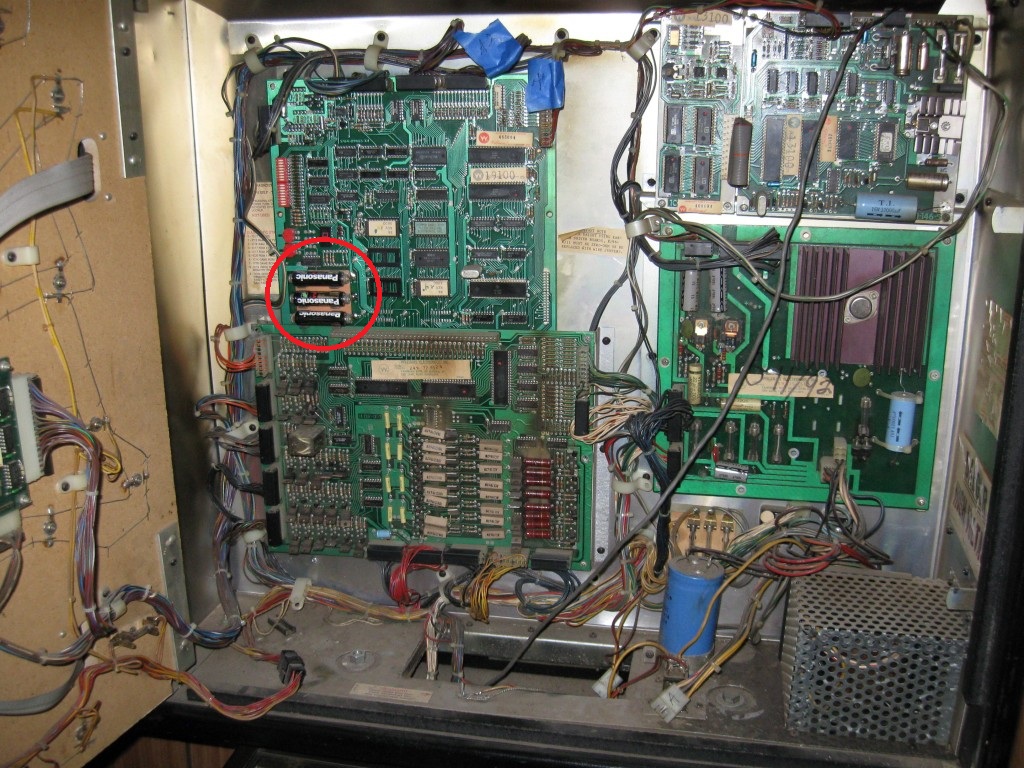
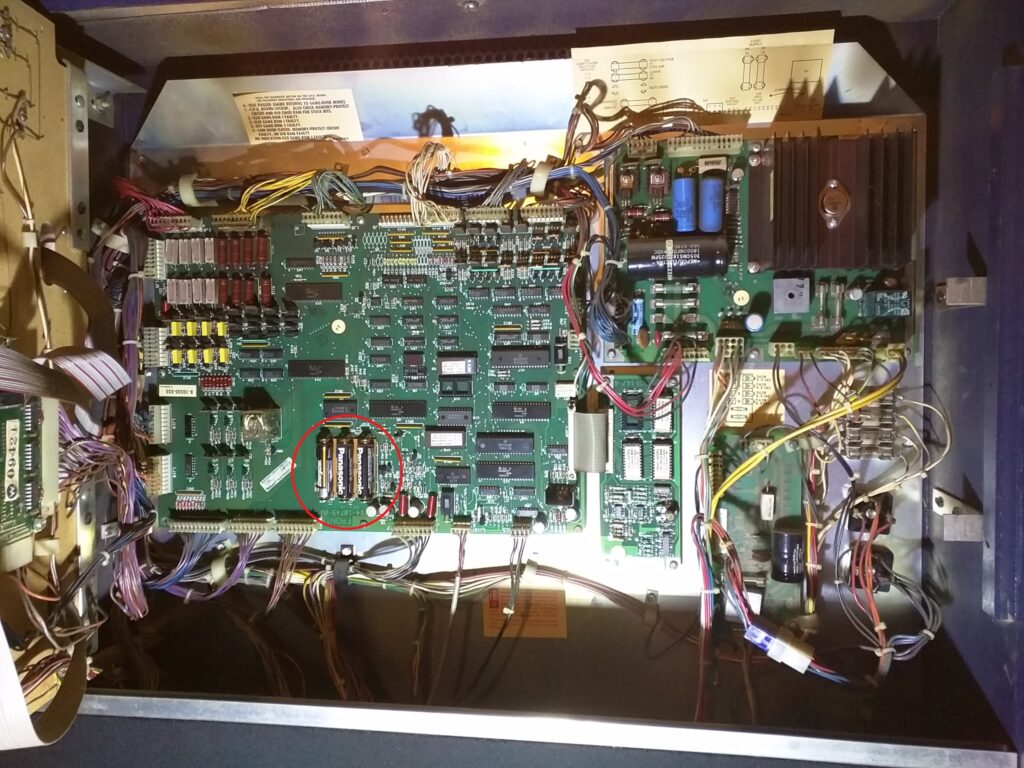
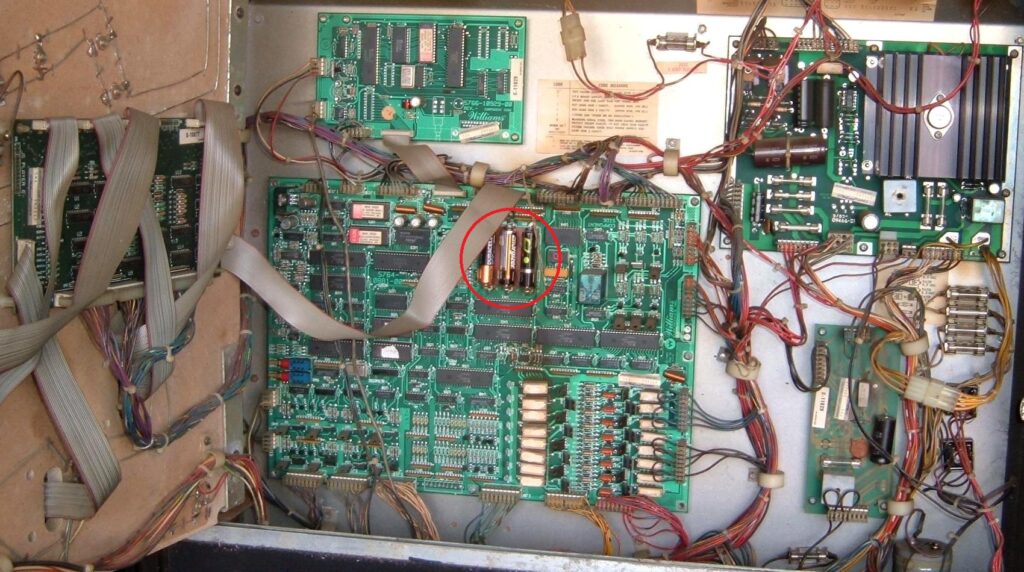
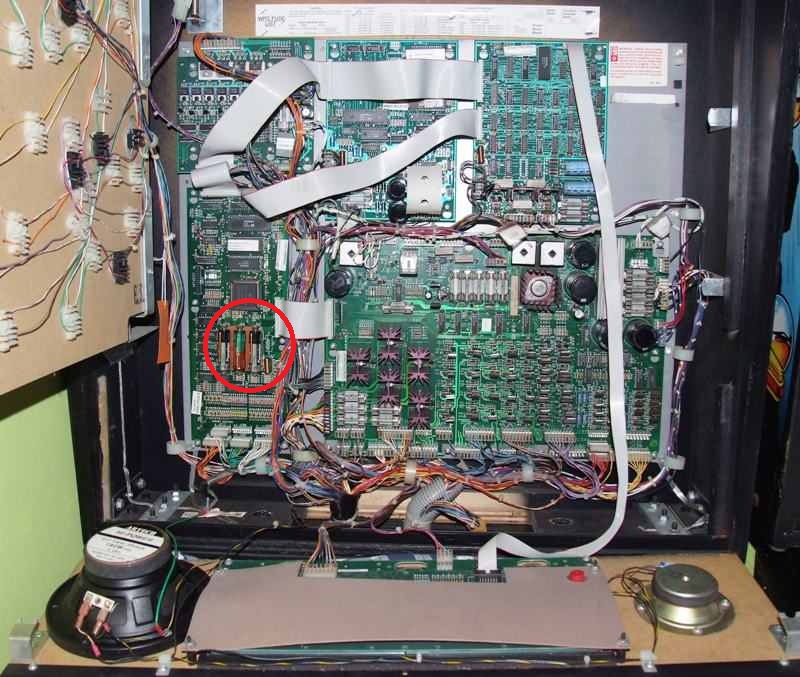
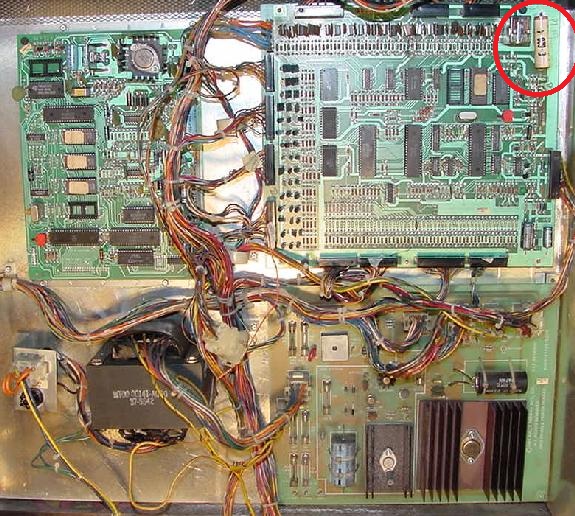
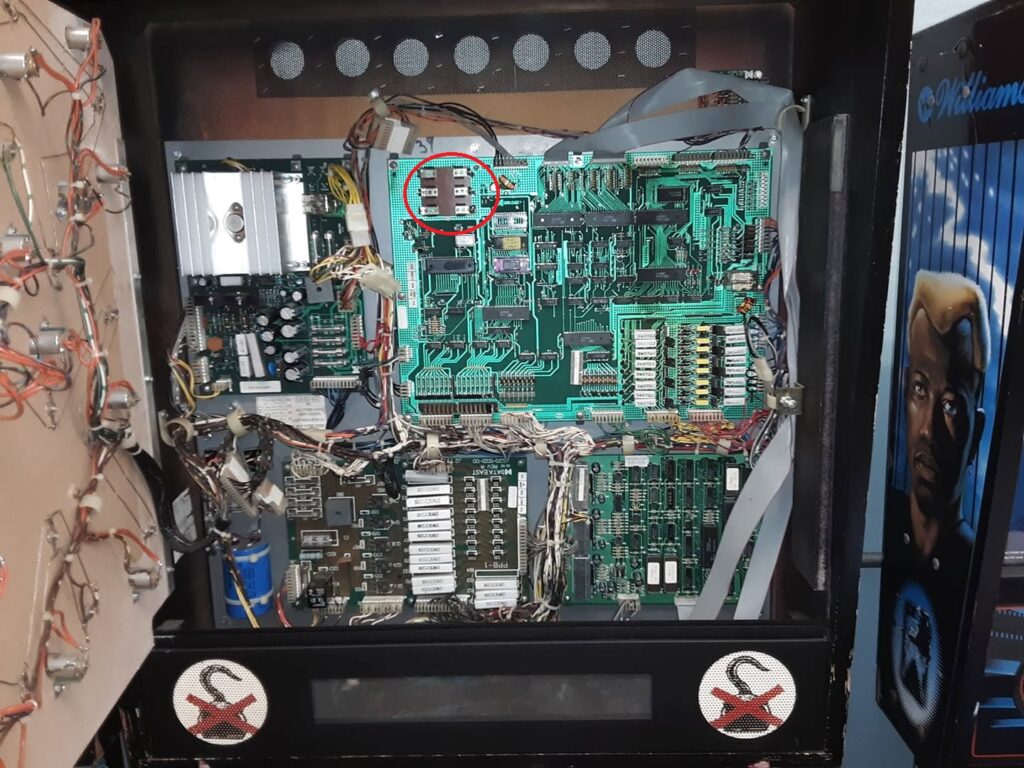
So where are these Batteries you ask? They are all typically in the same area of most pinball machines, inside the backbox, you know the part of the machine you look at to see your scores, and look at themed artwork of the machine! Hopefully you have the backbox keys so you can open it up and look.
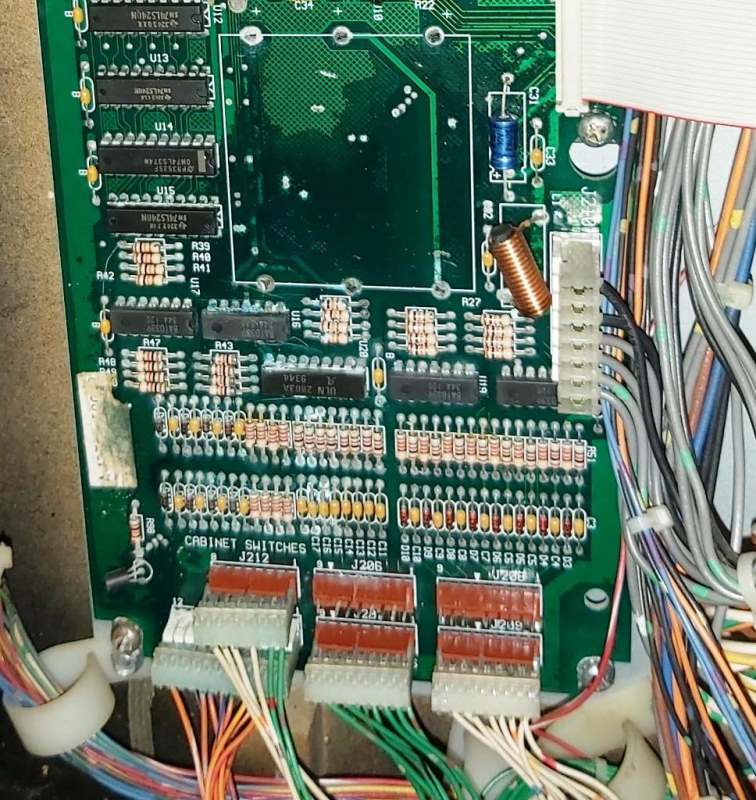
Here are some locations of batteries on games. At best the damage would be contained to just the battery holder. But if it get’s on the board, it can spread under the green solder mask, on and under chips in places you can’t see.